Book Recommendations for Opening Relationships

Deciding to open a relationship is a major decision. It raises real questions about what you want, what you fear, how you communicate, and how well you actually know yourself and your partner. People come to this consideration from different places: curiosity, a partner's request, dissatisfaction with monogamy, or maybe a long-held sense that traditional relationship structures do not fit. Whatever brought you to this decision, the transition tends to surface things that were already present, attachment patterns, communication gaps, unspoken expectations, and needs that have not been named. The book recommendations for opening relationships below have a range of perspectives. I always recommend that clients inform themselves as much as possible as they navigate this road.
Opening Up by Tristan Taormino
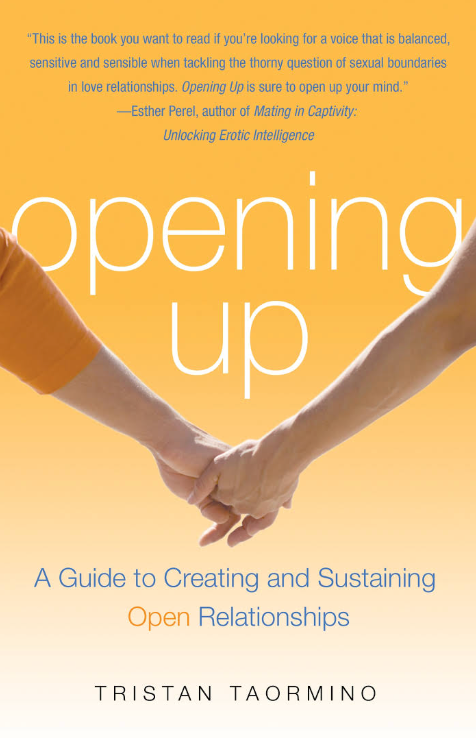
This is my favorite starting point, especially if you are new to thinking about ethical non-monogamy. Taormino interviewed people actually living in open relationships across a range of structures, and the book reflects that breadth. It does not prescribe a single model. Instead it shows how different people have built arrangements that work for them, and what the real challenges have been. The tone is warm and non-judgmental, and it is one of the more accessible entry points into a topic that can feel overwhelming at first.
Polysecure by Jessica Fern
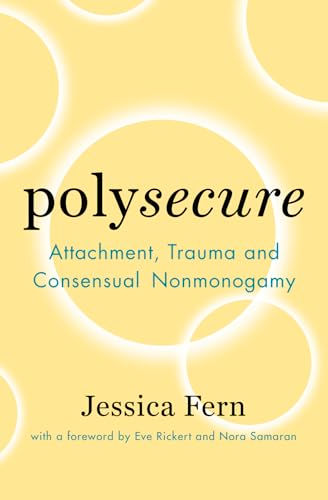
Fern is a therapist and her book applies attachment theory directly to non-monogamous relationships, which is genuinely useful because attachment issues do not disappear when you open a relationship. They often become more pronounced. Polysecure is particularly valuable if you or your partner carries anxious or avoidant attachment patterns, or if previous attempts at opening a relationship have felt destabilizing without a clear reason why. It is more clinical than some of the other books on this list, but it is readable and practically oriented.
Polywise by Jessica Fern

Fern's follow-up to Polysecure moves beyond attachment and addresses the deeper identity and values work involved in building non-monogamous relationships over time. Where Polysecure focuses on what gets activated, Polywise asks what you are actually trying to build, and who you want to be in relationship. It is better suited to people who have some experience with non-monogamy and are working through more complex questions about structure, sustainability, and personal growth. If Polysecure is the foundation, Polywise is what you return to later. Polywise is informed by Internal Family Systems, a key part of my therapy offerings, which you can learn more about here.
The Polyamory Breakup Book by Kathy Labriola

This one belongs on the list precisely because most resources focus on opening relationships and far fewer address what happens when they end or restructure. Breakups in polyamorous contexts carry their own specific grief. You may lose not just one relationship but an entire network. The support structures that help people through breakups in monogamous contexts often do not translate. Labriola takes these losses seriously and offers practical guidance for navigating them with care for everyone involved. Reading this before you need it is not pessimistic. It is about grounding and informing yourself.
The Anxious Person's Guide to Non-Monogamy by Lola Phoenix

If anxiety is a significant part of your experience, whether around relationships generally or this transition specifically, Phoenix's book addresses that directly. It does not treat anxiety as a disqualifier for non-monogamy or as something to just push through. It treats it as real information about your nervous system and your needs, and it offers concrete ways to work with it rather than against it. Phoenix writes from personal experience as well as research, and the tone is candid and grounding. This is a useful read for anyone who has found that opening a relationship, or even considering it, activates a level of fear that feels hard to sit with.
Honorable Mention: Getting the Love You Want by Harville Hendrix & Helen LaKelly Hunt

This one might seem like an odd inclusion given that it was written for monogamous couples. But the core of what Hendrix offers is directly relevant. The book argues that we are drawn to partners who reflect our unresolved early experiences, and that much of what we experience as conflict or longing is rooted in those patterns. Non-monogamy does not change that. It tends to make those dynamics harder to avoid. Jealousy, fear of abandonment, difficulty with a partner's autonomy: these are not problems created by opening a relationship. They are pre-existing patterns that opening a relationship will surface. Read it alongside Polysecure and the two become mutually reinforcing.
Learn more about my relationship therapy offerings here.


Comments